Vol. 123 Fruit Love Island: A lesson in content 🍉
How AI-generated anthropomorphic fruits generated over 200 million views
14 Apr 2026
Vol. 123 Fruit Love Island: A lesson in content 🍉
How AI-generated anthropomorphic fruits generated over 200 million views

Case Studied by Vendry
April 14, 2026
Case Studied
Viral anthropomorphic fruits
The attention economy is new, unfamiliar territory. Content doesn’t have to be high quality with top tier production value to catch eyes. It can be made with basic AI tools, catch on, and even surge into the spotlight.
This is how viral content like Italian Brain Rot's AI creatures and cat soap operas take over feeds. And that means the brands playing it safe with polished creative are competing for the same eyeballs as anonymous creators who have no rules to follow and nothing to lose. So we decided to take a look at a recent example of this and explore what marketers can learn from it.
This week, Case Studied explores how the Fruit Love Island series generated over 200 million views.
AI marketing is moving faster than most brands can hire. By the time you post your role for a “AI Marketing Expert” the top models and tech have already lapped you.
We created Vendry Freelance to match you with a vetted AI marketing operators from world-class companies like Amazon, Ramp & Sephora in <7 days.
You don’t need a full-time salary or benefits to keep pace with AI. Hiring a part-time expert can keep your team on the cutting edge, without the headache.
Some roles we’ve helped fill include.
AI GTM Marketing Engineers
Marketing Ops & Automation Specialists
SEO/GEO strategists
AI Creative Ops
With Vendry Freelance, get monthly flexible engagements and cancel anytime.
The Brief
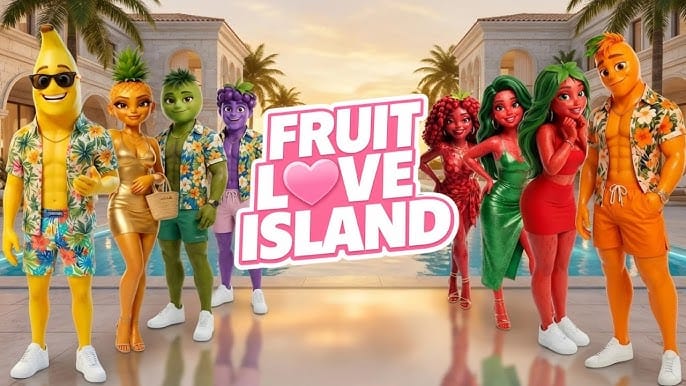
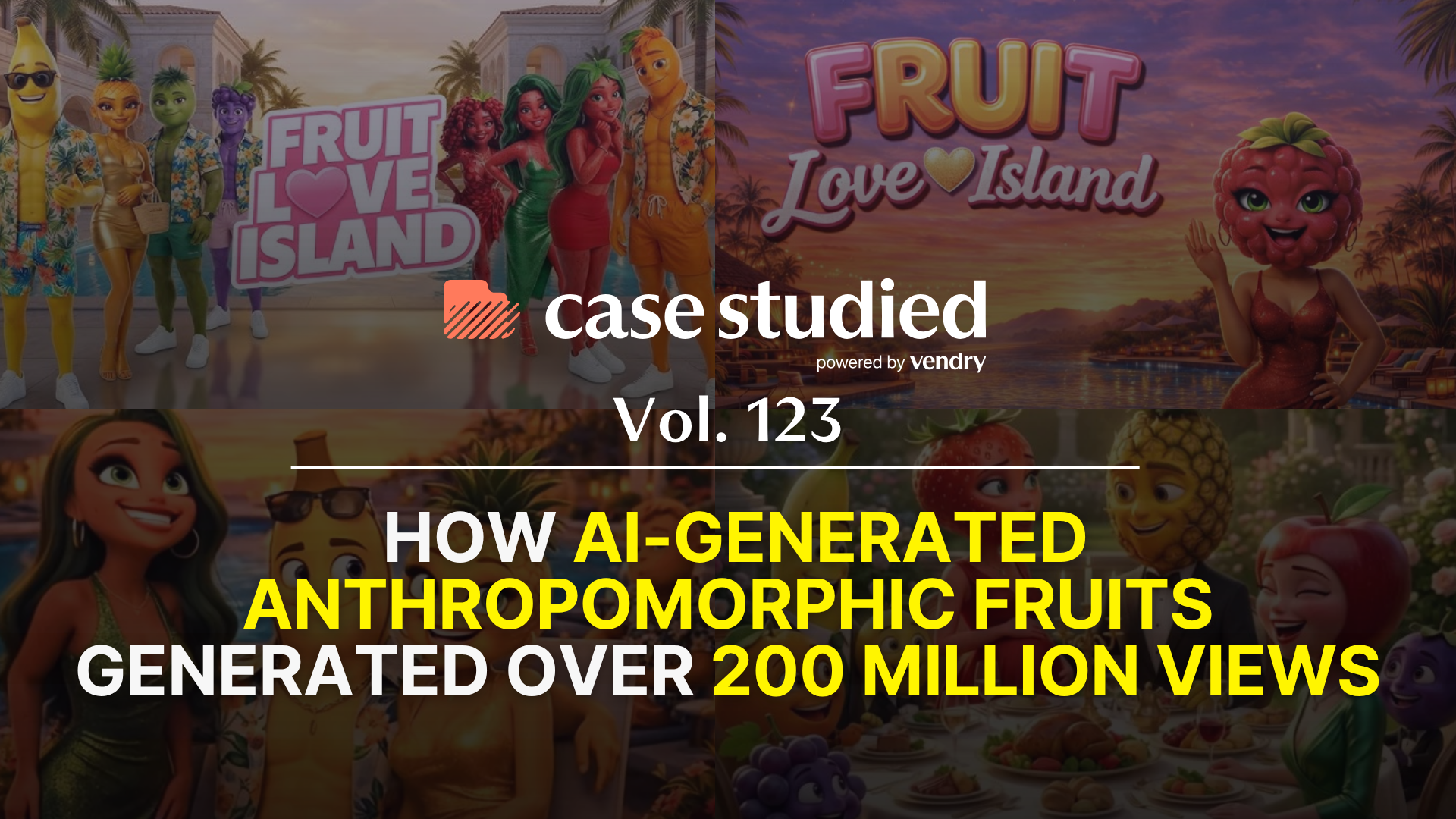
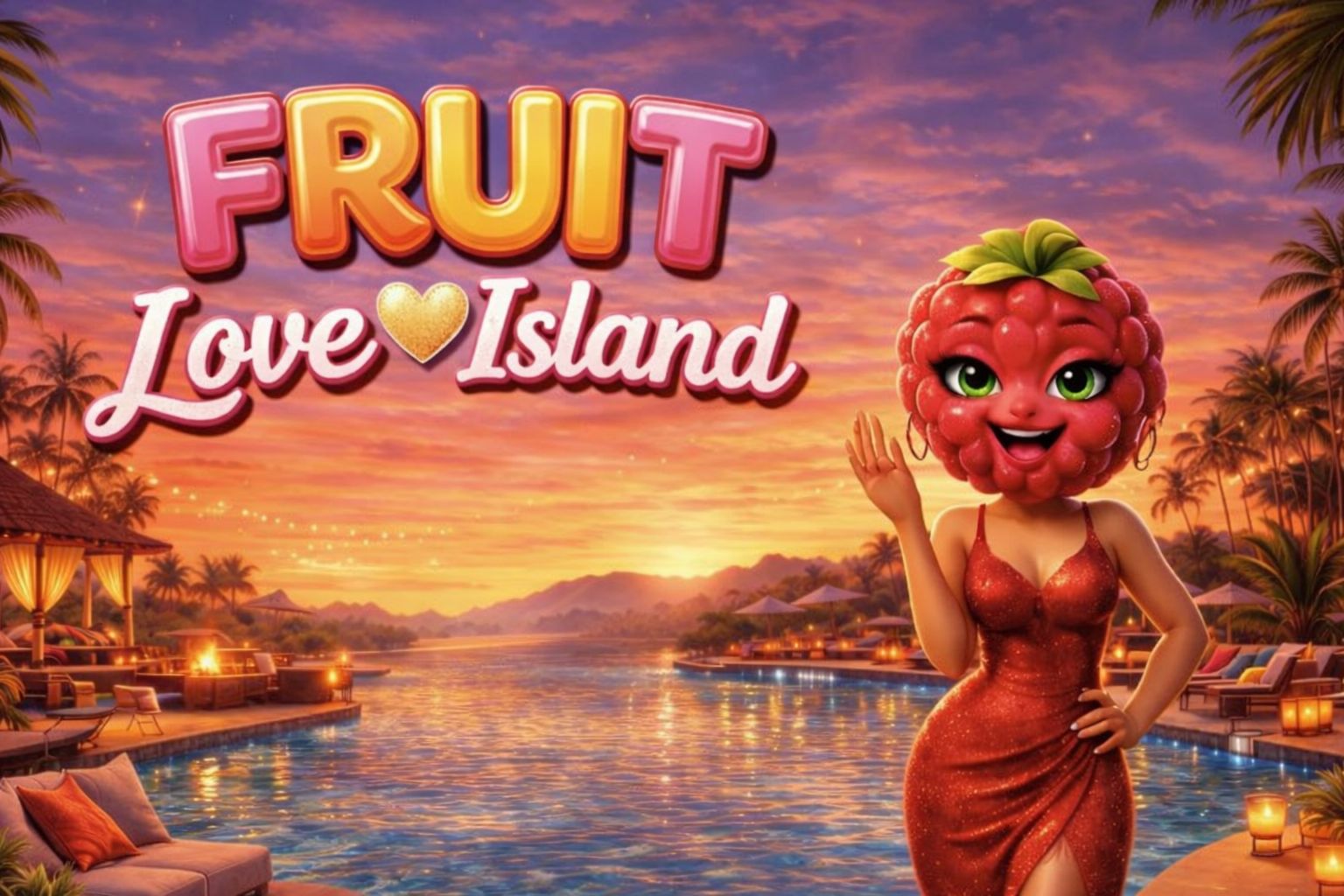
Posted by an anonymous creator under the handle @ai.cinema021, Fruit Love Island launched on TikTok on March 14. The premise was exactly what it sounds like: a spin-off of the British reality dating show Love Island with AI-generated, anthropomorphic fruit as the contestants.
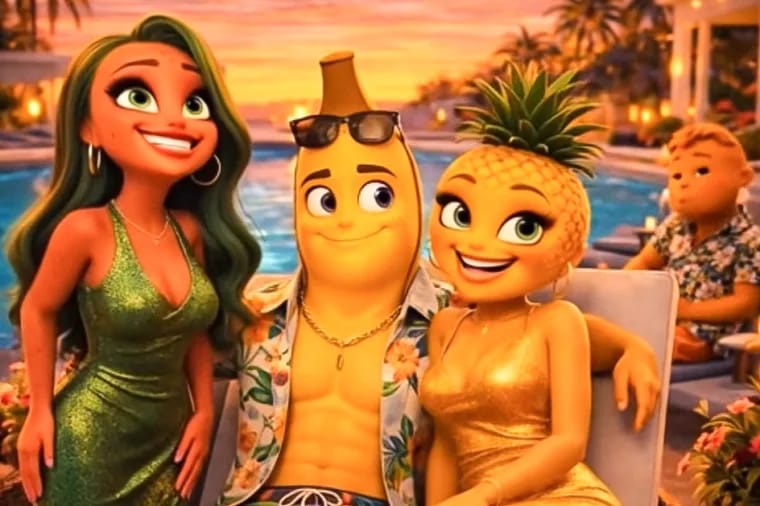
Characters included Bananito the playboy banana, Watermelina the complicated romantic lead, and Plumero the 24-year-old plum from Barcelona.
The series was an unsponsored, unbranded operation. The creator wrote the scripts, generated the visuals using AI tools, and posted daily. As its popularity quickly spiked, the reactions were divided. Some folks dismissed Fruit Love Island as low-quality AI slop, while others couldn’t get enough of the entertainment.
The Execution
Fruit Love Island was built on a custom ChatGPT model that was already circulating on TikTok in the weeks prior. Earlier accounts used the same tool to generate anthropomorphic fruit soap operas, complete with romantic affairs and dramatic confrontations.
The Fruit Love Island creator scaled that existing format into something with structure. They named recurring characters, made daily episodes, and had ongoing storylines. They also started a YouTube channel that mirrored the TikTok content.
Each episode ran roughly one minute. In response to comments calling the series AI slop, the creator posted about how labor intensive Fruit Love Island is. "I write the scripts, I plan the scenes, and keep redoing things because the AI generation messes up constantly," they wrote on TikTok Stories.
A link in @ai.cinema021's bio directed viewers to a voting page where they could choose which new fruit characters joined the island and which existing ones got eliminated. Viewers posted reaction videos, debated pairings, and anxiously anticipated daily drops in the same way audiences engage with actual reality TV. Some fans even made their own real-life recreations using real foods and costumes.
@ai.cinema021 Episode 1 of Fruit Love Island! Which couple are you rooting for? 🍿 #ai #aifruit #aistory #fruit #cinema
The series attracted celebrity attention as well. On one episode, Joe Jonas commented, "I'm worried about watermelina." Singer Zara Larsson posted “Sorry I can't hang out today, I gotta see what's happening with choclatina and strawberto," though she deleted the comment after receiving backlash from fans.
Former Love Island cast members weighed in with mixed reactions. Season 7 winner Amaya Espinal—who'd been nicknamed "Amaya Papaya"—said, “I would never watch Fruit Island … I don’t support it." Other former Love Island cast members, Kaylor Martin and JaNa Craig, posted reaction videos of themselves on TikTok enjoying and laughing at the series.
Likewise, fan reactions were also mixed. In addition to being called AI slop, users drew attention to the environmental impact of Fruit Love Island. One commenter wrote, “This is why earth is dying btw” in reference to the energy consumption of AI-driven data centers.
Meanwhile, some brands tested the waters of engagement with Fruit Love Island. Slim Jim and DoorDash jumped into the comments section. But brand involvement was selective, and the consensus among social media strategists was that not every brand had a natural place in the Fruit Love Island ecosystem. As Rachel Karten, a social media consultant and newsletter author, noted, consumers don't necessarily want brands showing up in spaces where they don't organically belong.
The Results
Fruit Love Island accumulated over 200 million total views and 20 million likes in under a month. The @ai.cinema021 account gained 3.3 million followers in under two weeks, making it one of the fastest-growing accounts in TikTok history. The most-watched single episode reached 38.7 million views and 1.8 million likes.
The series generated significant earned media coverage, including reporting from the BBC, Fast Company, and Ad Age. Fan-created content (e.g. reactions, commentary, and real-life recreations) also extended the show's footprint beyond the original account.
The surge, however, was short lived. Of the 22 episodes posted to TikTok, only 10 remain live at the time of this writing. According to the creator, the other 12 were removed from the platform, potentially for violating TikTok's community guidelines around intellectual property. The show's YouTube channel was also taken down.
The creator began posting publicly about lost motivation, mounting criticism, and zero revenue. "No more fruit love island. Since people so obsessed with it," they wrote. "All my videos banned I make no money."
Despite the frustration, the creator pivoted to a new AI-generated series called The Shore Between Us. It’s described as a fruit-forward recreation of The Summer I Turned Pretty and amassed 189,000 followers on a new account before posting a single episode.
The Takeaways
1) Understand what you're competing with.
Fruit Love Island didn’t have a production budget, a creative director, or a media buy. The person behind it was anonymous and made nothing from it. But it did have an ongoing story, a consistent flow of content, and a format that mirrored a widely popular reality TV drama. Combined, this AI-generated series of one-minute clips got more engagement than most brands on TikTok.
The bar for producing content has dropped dramatically, which means the competitive set for attention has never been wider. Consider who you audit your content against. Is it just competitor brands or against the organic, non-branded content your audience is watching? Try measuring against both and see what you learn.
2) Know where your brand belongs (and where it doesn't).
Slim Jim's presence in Fruit Love Island’s comment section earned tens of thousands of likes. Their irreverent, self-aware brand voice fit the absurdist energy of the show but most brands would not have landed the same way. The line between a brand that belongs in a viral conversation and one that's crashing isn't always obvious—but audiences can feel it immediately.
Before engaging with a viral moment, run an honest self-assessment. Does your brand voice fit into it? Rachel Karten framed the risk saying, "Just because something is popular… and the kids are playing with it, doesn't mean that you have a place there. You probably could get some pushback if you're not a brand that it would make sense to do that." Participation for the sake of participation is often clearly evident, especially with modern audiences. Make sure your brand shows up in places that make sense for everyone involved.
3) The AI credibility gap is real, and it works differently for brands
Fruit Love Island was made with AI and soared in popularity. Yet IAB data shows that branded AI content generates increasingly negative sentiment. What’s the difference? When an anonymous creator uses AI to create anthropomorphic fruits, there's no implied trade-off. When a brand does it, the subtext is that they had the budget to hire a real artist and chose not to. Karten noted that consumers "don't want to support a brand that cuts corners, that is efficiency over everything, that is feeding [them] slop."
This distinction can help shape how brands think about AI in their creative work. It’s not necessarily a reason to avoid it entirely, but it is a reason to be deliberate about where it shows. Partnering with human artists, making those efforts visible, and treating evidence of craft as a brand signal can be a powerful way to communicate with your audience.
End the search: Vendry makes it simple to find your next agency partner. Share your needs and get connected with vetted, top-tier options in under a week—at no cost to you.
Don't miss the next Case Studied™.
Join 40,000+ marketers and receive a breakdown of the world's best brands every week.